Districts, prices, rentals, taxes and the best areas to buy property in Madrid
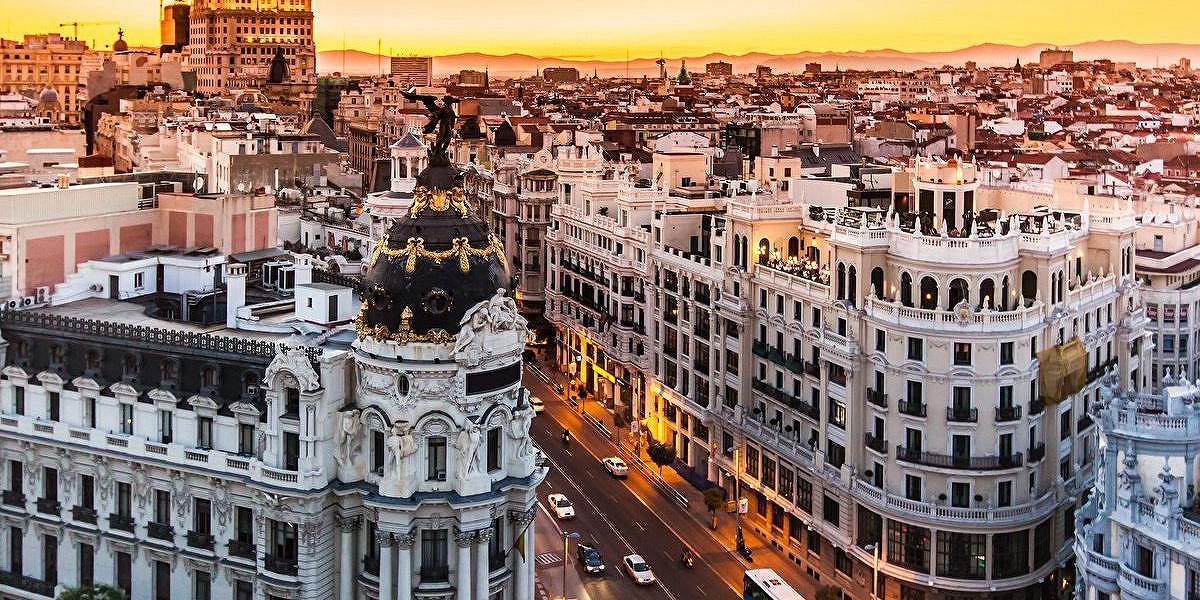
Madrid is the capital of Spain, the country’s main business hub and one of the most liquid real estate markets in Southern Europe. Unlike coastal cities, Madrid does not depend on the seaside season: demand here is driven by employment, business, education, government institutions, international companies, local families, foreign residents and investors.
For foreign buyers, Madrid is attractive in several scenarios: buying an apartment for permanent residence, investing in rental property, relocating a family, purchasing housing for children while they study, acquiring a premium urban asset or preserving capital through real estate.
Madrid is not a resort market, but a strong capital-city market. Here it is important to assess not only the district and the price per square metre, but also the specific street, the condition of the building, the floor, the presence of a lift, parking, a terrace, legal clarity, rental demand and resale potential.
Key facts about Madrid for property buyers
Madrid is located in the centre of Spain and is the country’s capital. The city has around 3.5 million residents, and together with its metropolitan area, Madrid forms one of the largest urban and economic centres in Europe.
The main difference between Madrid and Barcelona, Valencia or Málaga is the absence of the sea, combined with a stronger business and administrative function. The city hosts corporate headquarters, international organisations, embassies, universities, business schools, museums, clinics, major shopping areas and one of Europe’s most important airports — Adolfo Suárez Madrid-Barajas.
The average reference price for real estate in Madrid is around €5,600–€5,800/m², but this figure varies significantly depending on the district. In prestigious central districts and the best areas of the city, quality properties often start from €7,000–€8,000/m² and above. In prime locations, penthouses, renovated historic buildings and properties with terraces, prices can be much higher than the city average.
Madrid suits buyers who value liquidity, stable demand, a business environment, education, healthcare, culture and year-round rental demand. It is a city for living, investing, family life, study and long-term ownership.
Why foreigners buy real estate in Madrid
Madrid attracts foreign buyers not because of the sea, but because of stability, the economy and liquidity. This is a city where housing demand is generated not only by foreigners, but also by a strong domestic market: Spanish families, professionals, students, entrepreneurs and companies.
The main reasons for buying are work, business, education, healthcare, safety, transport, cultural life, high rental demand, developed infrastructure and the status of the capital. For investors, this means a more stable demand model than in seasonal locations.
Madrid is often chosen as an alternative to Barcelona, Paris, London, Milan or Lisbon. There is no sea here, but there is a strong economy, a major airport, a high level of service, prestigious districts, good schools, business schools and a strong long-term rental market.
For foreign buyers, Madrid is especially interesting as a city where real estate can be used not only for living, but also as long-term capital. A good property in the right district usually has a clear future pool of buyers and tenants.
Who buys real estate in Madrid
Foreign demand in Madrid is diverse. Buyers choose the city for different reasons: work, education, business, investment, family, capital preservation or future relocation.
Foreign residents
They buy property for permanent residence, work, business and family relocation. Schools, healthcare, safety, transport, parking, the district and everyday convenience are important to them.
Foreign non-residents
They buy apartments for a future move, housing for children while they study, rental property or an urban asset in the capital of Spain. Legal security, property management, liquidity and maintenance costs are especially important to them.
Local buyers
They create strong underlying demand. In Madrid, it is often the domestic market that supports liquidity even when foreign demand changes.
Investors
They look at long-term rentals, student rentals, corporate rentals, renovation, resale and purchases in districts with future growth potential. Yield, vacancy periods, taxes, building condition and exit strategy are important to them.
Families
They look for quiet districts, schools, large apartments, parking, green areas and convenient connections to work, the airport and the suburbs.
Luxury property buyers
They choose Salamanca, Jerónimos, Almagro, Justicia, Chamberí, El Viso, La Moraleja, Pozuelo, Aravaca and other prestigious areas.
Madrid’s geography in simple terms
Madrid is best understood not only through administrative districts, but through the logic of everyday life.
Central Madrid
This includes Sol, Cortes, Las Letras, Justicia, Chueca, Malasaña, Palacio and part of Centro. There are many restaurants, museums, historic buildings, tourist flows, rental properties and urban energy.
Premium urban Madrid
This includes Salamanca, Recoletos, Goya, Castellana, Almagro, Trafalgar, Justicia and Jerónimos. These areas offer high liquidity, prestigious addresses, beautiful buildings, expensive apartments and strong demand from wealthy buyers.
Family-friendly and calm Madrid
This includes Chamberí, Retiro, Chamartín, El Viso, Hispanoamérica, Nueva España, Mirasierra, Arturo Soria and some areas of Moncloa-Aravaca. These districts are chosen by families, residents, professionals and buyers who value comfortable everyday living.
Business Madrid
This includes Castellana, AZCA, Cuzco, Chamartín, Cuatro Torres and districts close to major office areas. Apartments here are especially interesting for rental to professionals, expats and corporate clients.
Suburbs and gated areas
This includes La Moraleja, Pozuelo de Alarcón, Aravaca, Majadahonda, Boadilla del Monte, Las Rozas and other locations. They are chosen by families, house buyers, high-budget clients and those who need schools, security, a garden, a pool and more space.
Best districts in Madrid to buy property
Salamanca
Salamanca is one of the most prestigious and liquid districts in Madrid. It is an area of elegant streets, classical architecture, boutiques, restaurants, medical centres, offices and a high standard of urban living.
The most valued areas are Recoletos, Castellana, Goya and Lista. Buyers here purchase apartments for living, luxury apartments, renovated properties, penthouses, apartments with terraces and property for long-term ownership.
Salamanca suits buyers who value prestige, liquidity, safety, services and a high-status address. The drawbacks are a high entry price, limited supply of quality properties and competition for good apartments.
When buying, it is important to check the condition of the building, lift, parking, the legal status of renovation works, the façade, roof, homeowners’ association fees and the noise level on the specific street.
Chamberí
Chamberí is one of the best districts in Madrid for comfortable urban living. It is more local and calmer than the most tourist-heavy centre, while remaining close to business, cultural and educational areas.
The district is popular among families, Spanish buyers, foreign residents, business-school students and professionals. There are many beautiful buildings, restaurants, shops, schools, medical centres and convenient transport links.
Chamberí is suitable for living, rental, investment and long-term ownership. Almagro, Trafalgar, Ríos Rosas and Vallehermoso are especially interesting. The drawbacks are rising prices, older housing stock in some buildings and limited supply of apartments with parking.
Justicia and Chueca
Justicia and Chueca are central, stylish and dynamic areas of Madrid. They offer many restaurants, galleries, boutiques, beautiful buildings, cultural life and an international audience.
These districts suit buyers who want to live in the heart of the city, as well as investors focused on renting to residents, expats and professionals. Renovated apartments, small flats, penthouses and character properties are especially in demand here.
The main advantages are the central location, atmosphere, liquidity and high demand. The drawbacks are noise, high prices, tourist flows on some streets and the need to inspect the building carefully.
Jerónimos and Retiro
Jerónimos is one of the most prestigious areas of Madrid, located next to Retiro Park, the Prado Museum and the cultural centre of the city. It is a rare and expensive market where the supply of quality properties is limited.
Retiro more broadly suits families, residents and buyers who value the park, a green environment, centrality and a high quality of life. Large apartments, renovated properties, apartments with views and high-quality buildings are in demand here.
The advantages are prestige, greenery, centrality, liquidity and quality of life. The drawbacks are high prices and limited choice.
Chamartín
Chamartín is a strong district for families, professionals, corporate rentals and long-term ownership. It includes business areas, major avenues, schools, clinics, transport hubs and good residential neighbourhoods.
El Viso, Nueva España, Hispanoamérica and Castilla are especially interesting. El Viso is one of Madrid’s most prestigious residential areas, with villas, houses and luxury properties.
Chamartín is suitable for family living, rental to professionals, premium property purchases and investments linked to the development of northern Madrid. It is important to assess the exact area: within the district there are both very prestigious and more practical locations.
Centro: Sol, Palacio, Las Letras and Malasaña
Centro is the historic heart of Madrid. It contains squares, museums, theatres, restaurants, tourist routes, old buildings and high rental demand.
The centre does not suit everyone for living. It has more noise, tourists, older buildings, small apartments and properties requiring careful checks. However, for buying a small apartment, a property for medium-term rental or a home with atmosphere, the centre can be interesting.
Special attention should be paid to the lift, the condition of the building, damp, utilities, the legal status of renovation works and rental restrictions.
Arganzuela
Arganzuela is a district close to the centre, Madrid Río, Matadero, parks and good transport connections. It has become popular among young families, professionals and buyers looking for a more modern urban environment than the historic centre.
There is both older housing stock and modern buildings. The district is interesting for living, rental and long-term growth, especially in areas with good connections to the centre and green spaces.
The advantages are proximity to the centre, parks, infrastructure, transport and a more practical budget compared with the most expensive central districts. The drawbacks are uneven street quality and the need to choose the building carefully.
Moncloa-Aravaca
Moncloa-Aravaca combines urban life, a university environment, green areas and family-oriented locations. The district is interesting for students, families, professionals and buyers who value access to the centre and the western suburbs.
Aravaca is a calmer and more prestigious area, with more houses, residences, family surroundings and links to Pozuelo. Moncloa is closer to universities and the centre.
The district is suitable for families, student rentals, long-term living and buying property with good connections to the western part of Madrid.
Tetuán and Cuatro Caminos
Tetuán is a diverse but promising district near the Castellana business axis, AZCA and office activity zones. Here it is possible to find a more accessible budget compared with Salamanca, Chamberí or Chamartín, while staying close to the business centre.
Cuatro Caminos and specific areas of Tetuán are interesting for investors, buyers looking for renovation projects and those seeking rental demand from professionals and students. However, the district requires careful selection of the street and building.
The advantages are transport, proximity to business areas, development potential and a more flexible budget. The drawbacks are uneven quality, different building standards and the need for thorough checks.
Best suburbs of Madrid
Not all foreign buyers are suited to life in central Madrid. Families with children, house buyers, high-budget clients and those who value schools, privacy and a green environment often choose the suburbs.
La Moraleja
La Moraleja is one of Madrid’s most prestigious suburbs. It is an area of villas, gated residences, international schools, private clubs, security and large plots.
The location suits luxury property buyers, high-budget families and clients who value privacy, a house, a garden, a pool and a quiet environment near the capital.
Pozuelo de Alarcón
Pozuelo is one of the most popular suburbs for affluent families. It offers many houses, townhouses, residences, schools, sports clubs and good connections to Madrid.
The area is suitable for family living, buying a house, relocating with children and long-term ownership.
Aravaca
Aravaca is closer to Madrid and suits those who want to live in a calm environment while keeping quick access to the centre. It offers apartments, houses, gated communities and family infrastructure.
Aravaca is often considered a compromise between city and suburb.
Majadahonda and Las Rozas
Majadahonda and Las Rozas suit families who need schools, shopping centres, houses, townhouses, green areas and a more spacious lifestyle. These areas are often chosen by buyers willing to live farther from the centre in exchange for more space.
Boadilla del Monte
Boadilla del Monte is a family suburb with houses, residential communities, green areas and a calmer rhythm. It suits buyers who value space, quiet, safety and life outside the dense urban centre.
Where to buy depending on your goal
For urban living
It is worth considering Salamanca, Chamberí, Justicia, Retiro, Chamartín, Arganzuela and selected areas of Centro. These districts provide access to restaurants, transport, offices, culture and urban infrastructure.
For family living
Chamberí, Retiro, Chamartín, El Viso, Nueva España, Arturo Soria, Moncloa-Aravaca, Pozuelo, La Moraleja, Majadahonda and Boadilla del Monte are better suited. Schools, parking, green areas, safety and property size are important here.
For rental
Salamanca, Chamberí, Justicia, Centro, Arganzuela, Chamartín, Moncloa, Tetuán and areas near universities, business schools, metro stations and business zones are interesting.
For buying luxury property
The most interesting locations are Salamanca, Recoletos, Castellana, Jerónimos, Almagro, El Viso, La Moraleja, Pozuelo and Aravaca.
For buying with a limited budget
It is worth looking at selected areas of Tetuán, Arganzuela, Carabanchel, Usera, Puente de Vallecas, Vicálvaro, Villaverde, as well as new districts and suburbs with transport links. However, a low price should always be accompanied by checks of the street, building, documents and liquidity.
For buying a renovation project
Centro, Chamberí, Tetuán, Arganzuela, Moncloa and some older buildings in well-located districts are interesting. It is important to calculate renovation costs, timeframes, permits and the future market value in advance.
Property prices in Madrid
Madrid is one of the most expensive and liquid real estate markets in Spain. The average reference price across the city is around €5,600–€5,800/m², but the actual price depends heavily on the district, street, building condition and property characteristics.
In Salamanca, Jerónimos, Almagro, Recoletos, El Viso and the best areas of Chamberí, prices for quality properties may start from €7,000–€8,000/m² and rise significantly higher for penthouses, renovated apartments, properties with terraces, parking, views or buildings of a high standard.
In the mid-market segment, buyers can consider Chamberí, Retiro, Chamartín, Arganzuela, Moncloa, selected areas of Tetuán and well-connected districts outside the central core.
The more affordable segment is found in districts farther from the centre or in properties requiring renovation. However, in Madrid a low price often means a compromise: distance, building condition, no lift, a noisy street, tenants, legal issues or future homeowners’ association costs.
A good purchase in Madrid is not the cheapest square metre, but a property with a clear location, stable demand, clean documents and a well-defined usage strategy.
Rental and investment potential
Madrid is one of the strongest rental markets in Spain. Unlike resort destinations, demand operates year-round: tenants include professionals, students, families, employees of international companies, diplomats, entrepreneurs and foreign residents.
The main working scenarios are long-term rental, medium-term rental, corporate rental, student rental and buying a property with renovation potential.
For investors, districts with good transport access, proximity to universities, business schools, offices and metro stations are interesting: Chamberí, Salamanca, Moncloa, Arganzuela, Chamartín, Tetuán, Centro, Retiro and selected areas near business clusters.
Tourist rentals in Madrid are regulated and require separate verification. Buying an apartment solely with short-term rental in mind is risky: regional rules, municipal restrictions, building requirements, registration and potential regulatory changes must be considered.
For most foreign investors, a more stable strategy is long-term or medium-term rental. It is usually legally calmer, easier to manage and less dependent on tourist rental regulations.
Lifestyle in Madrid
Madrid is a city without the sea, but with a very strong quality of urban life. It offers museums, theatres, parks, restaurants, markets, a business environment, sports, shopping, historic quarters and one of the richest cultural programmes in Spain.
The main cultural areas are Prado, Retiro, Las Letras, Palacio, Chamberí, Salamanca, Justicia and Centro. For restaurants and city life, Salamanca, Chamberí, Justicia, Las Letras, Chueca, Malasaña, Retiro and Arganzuela are especially interesting.
Madrid suits those who want to live in the capital, use strong infrastructure, build a career, develop a business, educate children in good schools and have access to the country’s best services.
The lack of the sea is offset by business activity, healthcare standards, culture, transport and real estate market stability. For many buyers, Madrid is not a city for holidays, but a city for life, capital and long-term strategy.
Schools, universities and healthcare
Madrid is one of the best cities in Spain for education. It has many international schools, private Spanish schools, bilingual programmes, universities and business schools.
Families often choose Chamartín, Chamberí, Retiro, Arturo Soria, Moncloa-Aravaca, Pozuelo, La Moraleja, Majadahonda and Boadilla del Monte because these locations are convenient for schools, sports, parking and family life.
Notable international and private schools include International College Spain, King’s College, British Council School, American School of Madrid, Hastings School, Runnymede College, The English Montessori School, Colegio San Patricio, SEK International School and others.
Madrid is also strong as a university centre. It is home to Universidad Complutense de Madrid, Universidad Autónoma de Madrid, Universidad Politécnica de Madrid, Universidad Carlos III, IE University, IE Business School, IESE Madrid, ESADE Madrid and other educational institutions.
Healthcare is one of Madrid’s strong factors. The city has major public and private clinics, international insurance programmes, high-level specialists and developed medical infrastructure.
Transport and connectivity
Madrid is one of Spain’s most convenient transport hubs. The city has metro, buses, Cercanías commuter trains, AVE high-speed trains, the major Atocha and Chamartín stations and the international Adolfo Suárez Madrid-Barajas Airport.
Transport has a direct impact on real estate. An apartment near the metro, business areas, universities, business schools or train stations is usually more liquid for rental and resale.
Madrid Airport is especially important for foreign buyers, entrepreneurs and families who travel frequently between countries. Direct international flights make the city convenient for both living and managing property.
If a buyer chooses a suburb, it is necessary to assess not only the house and district, but also travel time to schools, the airport, the centre, offices, medical centres and everyday infrastructure. In some suburbs, living without a car is inconvenient.
Taxes, costs and legal due diligence
When buying property in Madrid, it is important to calculate not only the property price, but also all additional costs.
For resale property in Madrid, ITP — property transfer tax — usually applies. For new-build properties, IVA and AJD usually apply. Buyers should also consider notary fees, land registry fees, legal support, bank costs when taking a mortgage, property valuation, homeowners’ association fees, IBI, insurance and future maintenance costs.
Before buying, it is necessary to check the Nota Simple, the owner, encumbrances, mortgage, debts, homeowners’ association costs, existing tenants, the building’s ITE, cédula de habitabilidad, energy certificate, the condition of the roof, façade, staircase and lift.
It is also important to check whether layout changes have been legalised, whether renovation permits exist, whether the property is affected by an urban development plan, whether there are usage restrictions and whether the tourist registration is valid if it is being claimed.
For houses and villas in the suburbs, additional checks include the plot, cadastre, boundaries, building permits, swimming pool, extensions, engineering systems, urban planning status and possible violations.
A good property in Madrid is not only a beautiful apartment or house. It is the right location, a reliable building, clean documents, clear costs and a usage strategy.
Main mistakes foreign buyers make
The most common mistake is choosing a property only by photos and price per square metre. In Madrid, even neighbouring streets can differ in liquidity, noise levels, building quality, rental demand and future resale potential.
The second mistake is underestimating the role of the district. Salamanca, Chamberí, Centro, Chamartín, Retiro, Tetuán and Arganzuela offer different lifestyles, tenant profiles and budgets.
The third mistake is buying older housing stock without a technical inspection. In Madrid, it is important to check not only the apartment, but also the façade, roof, lift, utilities, homeowners’ association and future repair contributions.
The fourth mistake is calculating yield without expenses. Taxes, vacancy, repairs, furniture, management, insurance, homeowners’ association fees and furniture depreciation can significantly change the real result.
The fifth mistake is buying without a resale strategy. Property must be understandable not only to the current buyer, but also to the future market.
The sixth mistake is refusing to use an independent lawyer. Legal due diligence protects the buyer from debts, encumbrances, illegal layout changes, tenant issues and urban planning risks.
Madrid or alternatives
Madrid or Barcelona
This is a choice between a business capital and a city by the sea. Madrid is stronger as an economic, administrative and corporate centre. Barcelona wins with the sea, architecture and Mediterranean lifestyle.
Madrid or Valencia
Madrid is more expensive, more liquid and economically stronger. Valencia is calmer, more affordable and offers the sea. For a softer rhythm of life, Valencia may be more comfortable, but for business and long-term rental, Madrid is often stronger.
Madrid or Málaga
Málaga attracts buyers with climate, the sea and growing international demand. Madrid remains a larger and more stable business market with strong domestic demand.
Madrid or Marbella
Marbella is a luxury resort market with villas, golf and an international lifestyle. Madrid is a capital-city market for living, business, rental and capital preservation.
Madrid or Lisbon
Both cities are interesting for foreign buyers, but Madrid is larger, more dynamic and stronger as a business centre. Lisbon may be more attractive in scale and Atlantic lifestyle, but Madrid’s market is deeper and larger.
FAQ
Can foreigners buy property in Madrid?
Yes, foreigners can freely buy property in Spain. For the transaction, a NIE, a bank account, proof of source of funds and legal due diligence of the property are usually required.
Where is the best place to buy an apartment for living in Madrid?
For urban living, Salamanca, Chamberí, Retiro, Justicia, Chamartín, Arganzuela and Moncloa are suitable. For family living, it is better to consider Chamartín, El Viso, Arturo Soria, Pozuelo, La Moraleja, Aravaca, Majadahonda and Boadilla del Monte.
Where is the best place to buy for rental?
For long-term and medium-term rental, Chamberí, Salamanca, Centro, Arganzuela, Chamartín, Moncloa, Tetuán and districts near universities, business schools, metro stations and business areas are interesting.
How much does property in Madrid cost?
The average reference price across the city is around €5,600–€5,800/m², but in prestigious districts prices can start from €7,000–€8,000/m² and significantly exceed this level for high-end properties.
Can an apartment be rented to tourists in Madrid?
Yes, but only in compliance with regional and municipal rules, registration requirements and building requirements. Tourist rental in Madrid is regulated, so this strategy must be checked separately before purchase.
Which districts are the most prestigious?
Prestigious and luxury locations include Salamanca, Recoletos, Castellana, Jerónimos, Almagro, El Viso, La Moraleja, Pozuelo and Aravaca.
Which is better: Madrid or the suburbs?
If city life, work, restaurants, culture and rental demand are important, Madrid is better. If you need a house, garden, schools, quiet and more space, La Moraleja, Pozuelo, Aravaca, Majadahonda, Las Rozas or Boadilla del Monte are better options.
What taxes apply when buying property in Madrid?
When buying resale property, ITP usually applies. When buying a new-build property, IVA and AJD usually apply. In addition, buyers should consider notary fees, registration, legal support, bank costs, property valuation and maintenance costs.
Can foreigners get a mortgage in Spain?
Yes, Spanish banks issue mortgages to foreigners. Conditions depend on residency status, income, country of tax residence, income currency, the buyer’s age and the type of property.
How long does the transaction take?
A transaction usually takes from several weeks to several months. The timeframe depends on document readiness, legal checks, negotiations, mortgage approval and the chosen notary date.
Rusol Prime — your real estate expert in Madrid
Rusol Prime helps foreign buyers choose the right district, assess the budget, check the property, calculate costs, conduct negotiations and complete the transaction safely.
We select property in Madrid and the surrounding areas for specific goals: living, investment, rental, family relocation, buying for children, holiday housing, a premium asset or capital preservation.
Get a personalised selection of properties in Madrid — we will compare districts, calculate the full purchase cost, check legal risks and offer properties that match your strategy.