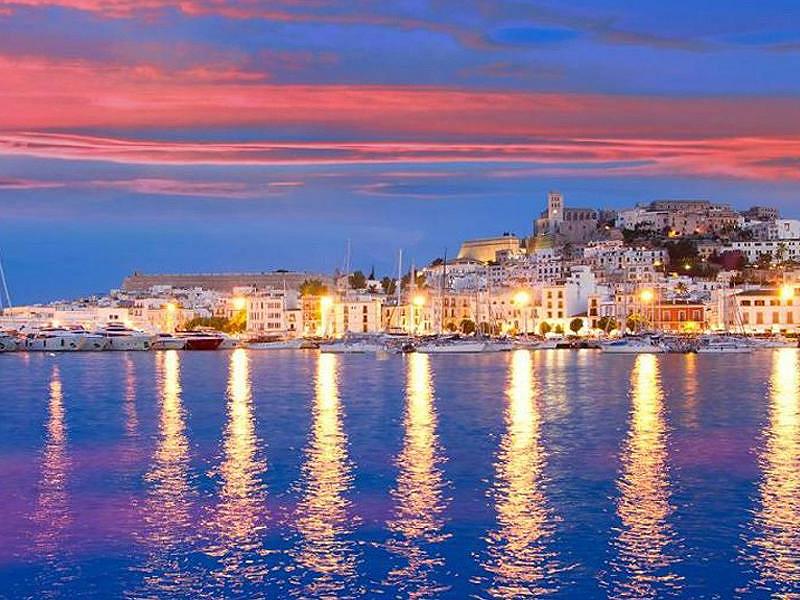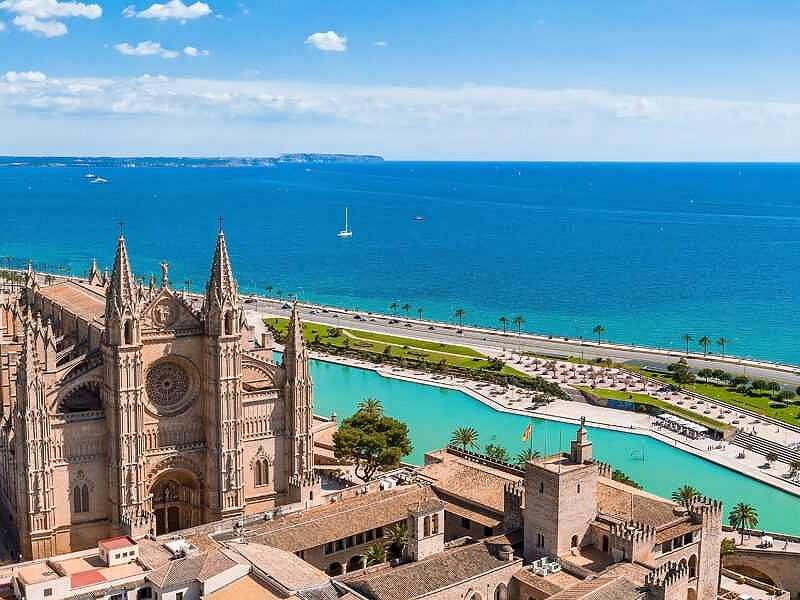
Towns, prices, rentals, taxes and the best areas to buy property on the Costa Blanca
Key facts about the Costa Blanca for property buyers
The Costa Blanca is one of the most popular coastlines in Spain for foreign property buyers. This region in the province of Alicante combines the Mediterranean Sea, a mild climate, an international airport, developed tourist infrastructure, a wide choice of properties and a more flexible budget compared with Barcelona, Madrid, Marbella or the Balearic Islands.
For foreign buyers, the Costa Blanca is interesting in several scenarios: buying a home by the sea, investing in rental property, relocating with family, buying a holiday home, purchasing property for a future move, retiring by the sea or preserving capital in a liquid coastal location.
The Costa Blanca is not one single market, but several different markets along one coastline. Alicante, Benidorm, Altea, Jávea, Denia, Moraira, Calpe, Villajoyosa, Torrevieja, Orihuela Costa and Guardamar offer very different lifestyles, budgets, rental profiles, seasonality and liquidity.
Why foreigners buy property on the Costa Blanca
The Costa Blanca attracts foreign buyers with its combination of climate, sea, price, airport access and wide choice of properties. Here buyers can purchase an apartment near the beach, a home in a residential complex, a townhouse, a villa, a house with a swimming pool, a rental property or a home for a calm life by the sea.
The main reasons for buying are the mild climate, long beach season, international airport, developed infrastructure, wide choice of properties, large foreign community, rental demand and a more accessible price compared with the most expensive property markets in Spain.
For many buyers, the Costa Blanca becomes an alternative to the Costa del Sol, the Balearic Islands, Barcelona or Valencia. The entry budget is lower, there are more options in the mid-range segment, and many towns already have established international communities.
The Costa Blanca is especially interesting for buyers who value not only holidays, but also practicality: the airport is nearby, healthcare is accessible, and there are supermarkets, schools, transport, restaurants, sports facilities and property management companies.
Who buys property on the Costa Blanca
Foreign demand on the Costa Blanca is one of the strongest in Spain. In the province of Alicante, the share of foreign buyers is traditionally higher than in many other regions of the country, especially in coastal municipalities.
Foreign residents
They buy homes for permanent living, relocation, remote work or retirement by the sea. Healthcare, shops, transport, district, safety, parking, airport access and the possibility of living all year round are important to them.
Foreign non-residents
They usually buy homes for holidays, property for a future move, rental income or capital preservation. Airport access, property management, maintenance costs, liquidity and clear rental rules are important to them.
Families with children
They choose areas with international schools, a safe environment, houses, parking, swimming pools, green areas and year-round infrastructure. Alicante, Playa de San Juan, El Campello, Jávea, Denia, Altea, Moraira and selected parts of Orihuela Costa are often considered.
Investors
They look at long-term rentals, medium-term rentals, seasonal rentals, renovation opportunities and properties with strong demand among foreign tenants. Licences, yield, seasonality, community fees, competition and vacancy periods are important to them.
House and villa buyers
They often choose the northern Costa Blanca: Moraira, Jávea, Altea, Calpe, Benissa, Denia, as well as selected urbanisations near Alicante and El Campello.
Buyers with a limited budget
They often look at Torrevieja, Orihuela Costa, Guardamar, Santa Pola, Gran Alacant, selected areas of Alicante and inland towns close to the coast.
Costa Blanca geography in simple terms
The Costa Blanca is best divided into three large areas: north, centre and south.
Northern Costa Blanca
This includes Denia, Jávea, Moraira, Benissa, Calpe, Altea and the surrounding areas. The north is more scenic, greener, more mountainous and more prestigious. It has many villas, houses with sea views, coves, private urbanisations and high-end properties.
This area suits buyers who value nature, views, villas, tranquillity, the sea, privacy and a more refined resort environment. The disadvantages are higher budgets in good locations, greater dependence on a car and, in some areas, stronger seasonality.
Central Costa Blanca
This includes Alicante, Playa de San Juan, El Campello, San Juan, Mutxamel, Villajoyosa and Benidorm. This part has stronger urban infrastructure, transport, airport access, rentals and year-round life.
The central part suits buyers who want balance: the sea, a city, the airport, schools, healthcare, rentals and everyday convenience.
Southern Costa Blanca
This includes Torrevieja, Orihuela Costa, Guardamar del Segura, Santa Pola, Gran Alacant, La Mata, Pilar de la Horadada and nearby areas. The south is more accessible in budget, more mass-market in development and very popular among foreign buyers.
This area suits buyers looking for apartments, townhouses, holiday homes, rentals and seaside living with a more moderate budget. The disadvantages are uneven development quality, seasonality in some urbanisations and the need to check transport, infrastructure and liquidity carefully.
Best towns and areas on the Costa Blanca for buying property
Alicante
Alicante is the main city of the region and one of the best options for buyers who want to live by the sea without being in a purely resort environment. It has an airport, port, university, hospitals, tram, shops, restaurants, beaches and year-round city infrastructure.
For living and rentals, Centro, Ensanche, Playa de San Juan, PAU 5, Cabo de las Huertas, Albufereta, Vistahermosa, San Blas and Benalúa are interesting. Alicante suits living, rentals, buying property for children, relocation and investment.
The main advantages are urban infrastructure, airport access, rentals, transport and liquidity. The disadvantages are uneven district quality, older housing stock in the centre and higher prices in the best seaside areas.
Playa de San Juan and PAU 5
Playa de San Juan and PAU 5 are among the most sought-after areas of Alicante for seaside living. They offer a long beach, modern complexes, swimming pools, parking, terraces, schools, restaurants, sports facilities and good connections with the city centre.
These areas suit families, foreign residents, holiday-home buyers and rental investors. Modern apartments with terraces, parking, swimming pools and proximity to the beach are especially valued.
The disadvantages are a higher entry budget and competition for quality properties.
El Campello
El Campello is a calm seaside town near Alicante. It suits buyers who want the beach, a quieter atmosphere, a family environment and connections with Alicante by tram or car.
Here buyers can find seaside apartments, townhouses, houses and holiday properties. El Campello is interesting for living, rentals and buying by the sea with a calmer rhythm than in central Alicante.
Villajoyosa
Villajoyosa is an atmospheric town between Alicante and Benidorm, known for its colourful façades, beaches and calmer environment. It suits buyers who want the sea, a local atmosphere and a softer pace of life.
The market is interesting for holiday homes, rentals, seaside living and long-term ownership. It is important to assess the specific area, distance to the beach, building condition and seasonality.
Benidorm
Benidorm is one of the best-known tourist markets in Spain. It is a city of high-rise buildings, beaches, hotels, apartments, restaurants, entertainment and strong seasonal demand.
Benidorm suits investors, buyers of seaside apartments and those who want an active resort environment. Floor level, view, building condition, licences, community fees and rental competition are important here.
The main advantages are tourist demand, recognition, beaches and a wide choice of properties. The disadvantages are high density, seasonality, noise in some areas and the resort character of the market.
Altea
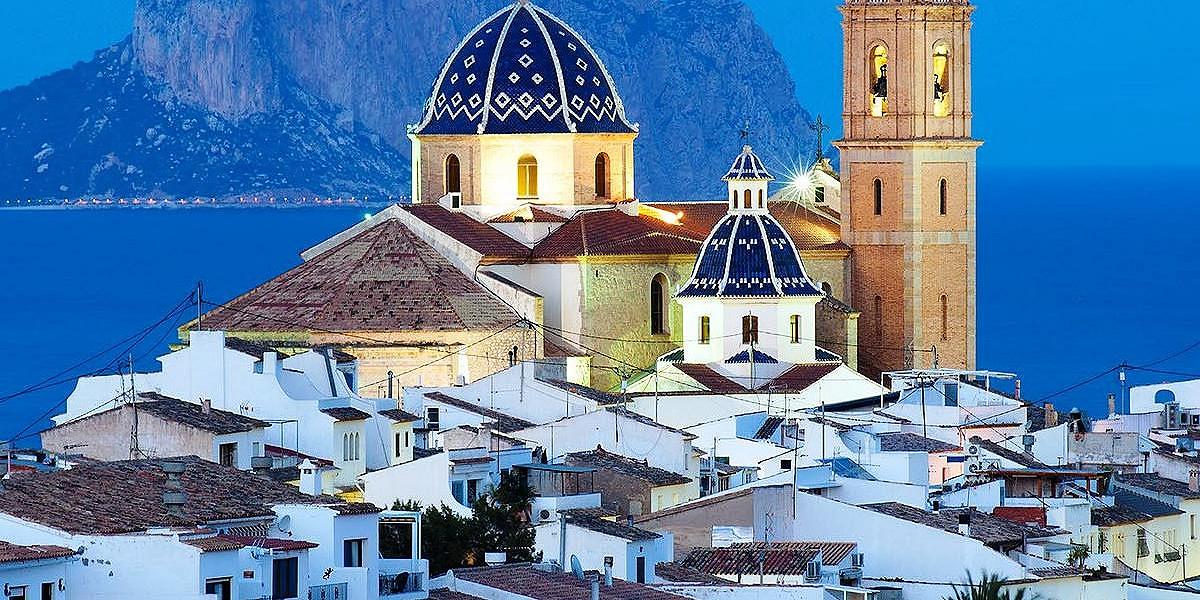
Altea is one of the most beautiful and prestigious towns on the Costa Blanca. It offers a white old town, the sea, hills, views, restaurants, a calm atmosphere and a quality international environment.
Altea suits buyers looking for an aesthetic and more premium seaside location: apartments with views, houses, villas, homes in residential complexes and properties for calm living.
Altea Hills, Sierra de Altea and areas with sea views are especially interesting. The disadvantages are high prices for good properties, hilly terrain and the need for a car.
Calpe
Calpe is a popular seaside town with the famous Peñón de Ifach rock, beaches, restaurants, apartments and villas. It is a strong market for holidays, rentals and seaside living.
In Calpe, buyers can find apartments in high-rise buildings near the beach, homes with views, houses and villas in the surrounding areas. The town suits buyers who value the sea, views, rentals and developed tourist infrastructure.
The disadvantages are seasonality, dense development in some areas and the need to assess the building, view, parking and community fees carefully.
Moraira
Moraira is one of the most prestigious and calm locations on the Costa Blanca. It is a small seaside town with villas, coves, restaurants, an international community and a more private atmosphere.
Moraira is chosen by house and villa buyers who value quality of life, privacy, views, a garden, a swimming pool and tranquillity. There is less mass tourism and more high-level villas.
The disadvantages are high prices in good locations, limited supply and the need for a car.
Jávea
Jávea is one of the most sought-after towns in the northern Costa Blanca. It combines beaches, coves, an old town, a port, villas, international schools, restaurants and a beautiful natural setting.
Jávea suits families, villa buyers, holiday-home buyers, seaside living and long-term ownership. Arenal, the Port, Montgó, Balcón al Mar, Tosalet and other urbanisations are especially popular.
The disadvantages are strong demand, rising prices, seasonality in some areas and the need to check houses, plots, permits and property condition carefully.
Denia
Denia is a large and lively town in the north of the Costa Blanca, close to nature, beaches, a port and connections with the Balearic Islands. It suits year-round living, holidays, family relocation and buying a home by the sea.
In Denia, buyers can find apartments in town, beachside apartments, townhouses, villas and houses in the surrounding areas. The advantages are infrastructure, gastronomy, the port, beaches and a more balanced environment. The disadvantage is its greater distance from Alicante Airport compared with the central part of the coastline.
Torrevieja
Torrevieja is one of the most popular and accessible markets in the southern Costa Blanca. It has many foreign buyers, apartments, townhouses, residential complexes, salt lagoons, beaches and rental properties.
The city suits buyers with a moderate budget, holiday-home buyers, rental investors and people looking for seaside living. District, distance to the sea, building condition, lift access, parking and off-season infrastructure are especially important.
The disadvantages are uneven development quality, mass-market character, different district standards and rental competition.
Orihuela Costa
Orihuela Costa is a popular area of the southern Costa Blanca with many foreign buyers. It includes Punta Prima, Playa Flamenca, La Zenia, Cabo Roig, Campoamor, Villamartín and other urbanisations.
Buyers purchase apartments, townhouses, houses, golf properties and holiday homes here. The area suits different budgets, but requires careful selection of the specific urbanisation.
The advantages are an international environment, the sea, golf, shopping centres and a wide choice of properties. The disadvantages are dependence on a car, seasonality in some areas and uneven development quality.
Guardamar del Segura
Guardamar is a calm seaside town with beaches, dunes, pine areas and a more measured atmosphere. It suits buyers who want the southern Costa Blanca without the dense and mass-market format of some parts of Torrevieja.
Apartments near the sea, holiday homes, properties for living and homes with good beach access are interesting here. Seasonality and the quality of infrastructure outside summer must be considered.
Where to buy depending on your goal
For year-round living
It is better to consider Alicante, Playa de San Juan, El Campello, Denia, Jávea, Altea, Torrevieja, Guardamar and areas with developed off-season infrastructure.
For buying by the sea
Playa de San Juan, Albufereta, El Campello, Villajoyosa, Benidorm, Calpe, Altea, Jávea, Denia, Torrevieja, Orihuela Costa and Guardamar are suitable.
For families
Playa de San Juan, PAU 5, El Campello, Jávea, Denia, Altea, Moraira, Mutxamel, San Juan, selected areas of Orihuela Costa and suburbs with schools and infrastructure work well.
For rentals
Alicante, Playa de San Juan, Benidorm, Calpe, Torrevieja, Orihuela Costa, Denia, Jávea, Altea and areas near the beach, transport, university or tourist demand are interesting.
For buying a villa
It is better to look at Moraira, Jávea, Altea, Benissa, Calpe, Denia, El Campello, Mutxamel, La Nucía, Polop and selected urbanisations in the south of the coast.
For buying premium property
The most interesting areas are Moraira, Jávea, Altea, Altea Hills, Sierra de Altea, Benissa, Cabo de las Huertas, the best areas of Playa de San Juan and selected villas with sea views.
For a limited budget
Buyers often consider Torrevieja, Orihuela Costa, Guardamar, Santa Pola, Gran Alacant, selected districts of Alicante, San Vicente del Raspeig and inland towns near the coast.
Property prices on the Costa Blanca
The Costa Blanca remains a more accessible market compared with Barcelona, Madrid, Marbella and the Balearic Islands, but prices vary significantly by area.
The average benchmark for the province of Alicante is around €2,800 per square metre, but this is only a general figure. In the northern Costa Blanca, especially in Moraira, Jávea, Altea, Benissa and selected villas with sea views, prices can be significantly higher. In the central part, including Alicante, Playa de San Juan, El Campello and Benidorm, the price depends on proximity to the sea, views, building condition and the level of the complex. In the south, including Torrevieja and Orihuela Costa, it is possible to find a more accessible entry into the market.
Accessible segment
This is usually linked to apartments farther from the first line, renovation properties, areas with more mass-market development or inland towns close to the coast.
Mid-range segment
This includes quality apartments and townhouses in residential complexes, properties near the sea and homes in Alicante, El Campello, Torrevieja, Orihuela Costa, Denia and Calpe.
Premium segment
This includes modern apartments with views, houses, villas, properties in good complexes, seaside real estate, Playa de San Juan, Cabo de las Huertas, Altea, Jávea, Moraira, Benissa and the best areas of Calpe.
High-end segment
This includes villas with sea views, large plots, swimming pools, private urbanisations, modern architecture, Altea Hills, Moraira, Jávea, Benissa, Altea and selected frontline villas.
A good purchase on the Costa Blanca is not simply a low price or proximity to the sea. It is important to consider the area, street, view, construction quality, legal status, community fees, seasonality and resale strategy.
Rental market and investment potential
The Costa Blanca is one of the strongest rental markets among Spain’s coastal regions, but the strategy must be realistic. Different models work here: long-term rental, medium-term rental, seasonal rental, rental to foreign residents, student rental in Alicante and San Vicente del Raspeig, and tourist rental if regulations are followed.
For long-term rental, Alicante, San Vicente del Raspeig, Benidorm, Torrevieja, El Campello, Denia and towns with year-round infrastructure are better suited.
For seasonal rental, Playa de San Juan, Benidorm, Calpe, Altea, Jávea, Denia, Torrevieja, Orihuela Costa, Guardamar, Santa Pola and Gran Alacant are interesting.
Tourist rental in the Valencian Community is regulated. Rentals of up to 10 nights are considered tourist rentals and must comply with specific rules. The licence, municipal requirements, community rules and the possibility of renting must be checked before purchase.
Buying a property only with the expectation of tourist rental is risky. It is necessary to consider seasonality, competition, management costs, cleaning, taxes, repairs, furniture, vacancy periods and possible regulatory changes.
For many foreign buyers, a more stable strategy is a combination of personal use, medium-term rental and long-term ownership in a liquid area.
Lifestyle on the Costa Blanca
The Costa Blanca offers a Mediterranean lifestyle with a wide choice of formats. Buyers can live in a city by the sea, a calm coastal town, a villa on the hills, an apartment near the beach, a golf urbanisation or a family suburb near the airport.
The region is known for beaches, coves, mountains, restaurants, markets, yachting, golf, cycling routes, an international community and a mild climate. The northern part of the coast is better suited to nature, views, villas and calm living. The central part is better for the city, airport, rentals and infrastructure. The southern part is better for more accessible purchases, an international environment and holiday homes.
The main advantage of the Costa Blanca is diversity. A buyer can choose not just “property by the sea”, but a specific lifestyle: urban Alicante, active Benidorm, aesthetic Altea, prestigious Moraira, family-oriented Jávea, calm Denia or more accessible Torrevieja.
Schools, universities and healthcare
The Costa Blanca is suitable not only for holidays, but also for family relocation. The region has international and private schools, bilingual programmes, universities, medical centres and private clinics.
For families, Alicante, Playa de San Juan, El Campello, San Juan, Mutxamel, Jávea, Denia, Altea, Moraira, Orihuela Costa and areas with international schools and year-round infrastructure are often interesting.
The University of Alicante is located in San Vicente del Raspeig and creates rental demand among students, teachers and staff. This makes Alicante, San Vicente and areas with good transport connections interesting for investors.
The region’s healthcare infrastructure is well developed: Alicante, Benidorm, Denia, Torrevieja and other major towns have public and private clinics, insurance programmes and specialists working with foreign patients.
Transport and connections
The main transport advantage of the Costa Blanca is Alicante-Elche Miguel Hernández Airport. It serves many European destinations and makes the region convenient for non-residents, investors and families who frequently travel between countries.
For the northern part of the coast, Valencia Airport is also important, especially for buyers in Denia, Jávea and Moraira. It is convenient to move along the coast by car, while the central part has tram connections between Alicante, El Campello, Villajoyosa, Benidorm, Altea, Calpe and Denia.
Transport has a direct impact on property value. A property near the airport, tram, beach, town centre, university or year-round infrastructure is usually more liquid for rental and resale.
If a buyer chooses a villa or urbanisation, it is important to assess not only the view and the house, but also the distance to shops, schools, healthcare, the beach, the airport and off-season services.
Taxes, costs and legal due diligence
When buying property on the Costa Blanca, it is important to calculate not only the property price, but also all additional costs.
For resale property in the Valencian Community, ITP, the property transfer tax, applies. For new-build properties, IVA and AJD usually apply. Buyers should also consider notary fees, land registry fees, legal support, bank costs for a mortgage, valuation, community fees, IBI property tax, insurance and future maintenance costs.
Before buying, it is necessary to check the Nota Simple, the owner, encumbrances, mortgage charges, debts, community fees, tenants, the building’s ITE inspection, cédula de habitabilidad, energy certificate and the condition of the roof, façade, stairwell and lift.
If the property is being bought for rental purposes, the possibility of long-term, medium-term or tourist rental must be checked separately. If a tourist licence is declared, it must be confirmed by documents, and it must be checked whether it remains valid after a change of ownership, whether the property complies with current rules and whether the community of owners prohibits rentals.
For houses, villas and townhouses, additional checks include the plot, cadastre, boundaries, building permits, swimming pool, extensions, urban planning status, utilities, septic tank, access roads and possible irregularities.
A good property on the Costa Blanca is not only a sea view or a low price. It is the right location, a reliable building, clean documents, clear costs and a realistic use strategy.
Common mistakes foreign buyers make
The most common mistake is buying a property only by photos, price and distance to the sea. On the Costa Blanca, it is important to understand the specific area, street, seasonality, transport, property condition and liquidity.
The second mistake is believing promises of high income from tourist rentals without checking the licence and rules. Short-term rental is regulated, and not every property can legally be rented to tourists.
The third mistake is buying a villa without checking the plot, permits, swimming pool, extensions and urban planning status. It is especially important to check houses in older urbanisations and properties with self-made changes.
The fourth mistake is not considering seasonality. Some areas work very well in summer but are much quieter in winter. This is essential for rentals and permanent living.
The fifth mistake is not calculating costs. Taxes, notary, lawyer, renovation, furniture, insurance, community fees, IBI, management and vacancy periods can significantly change real profitability.
The sixth mistake is choosing the cheapest property without a resale strategy. A low price does not always mean a good investment if the area is weak, the building is problematic or demand is limited.
Costa Blanca or alternatives
Costa Blanca or Costa del Sol
The Costa del Sol is more expensive and stronger in the high-end segment, especially in Marbella, Benahavís and Sotogrande. The Costa Blanca is often more accessible, broader in budget and suitable for more mid-range buyers.
Costa Blanca or Valencia
Valencia is stronger as a large urban market with business, educational and cultural infrastructure. The Costa Blanca is better for buyers who want more sea, a resort format, villas and a choice of coastal towns.
Costa Blanca or Barcelona
Barcelona is more expensive, more international and more liquid in its best districts. The Costa Blanca is more accessible, calmer and offers more seaside options for a lower budget.
Costa Blanca or Alicante
Alicante is a city within the Costa Blanca. If a buyer needs urban infrastructure, an airport, a university and year-round rentals, Alicante may be the best choice. If a villa, coves, tranquillity or a resort format are more important, other towns along the coast are worth considering.
Costa Blanca or Costa Brava
The Costa Brava is more prestigious and closer to Barcelona, but more expensive and more seasonal. The Costa Blanca is more accessible, warmer in winter and often more practical for year-round living.
Costa Blanca or Torrevieja
Torrevieja is part of the southern Costa Blanca and one of the most accessible mass-market areas in the region. The Costa Blanca as a whole is broader: it includes budget, premium and high-end locations.
FAQ
Can foreigners buy property on the Costa Blanca?
Yes, foreigners can freely buy property in Spain. A transaction usually requires an NIE, a bank account, proof of funds and legal due diligence on the property.
Where is the best place to buy property on the Costa Blanca for living?
For year-round living, Alicante, Playa de San Juan, El Campello, Denia, Jávea, Altea, Torrevieja, Guardamar and areas with developed off-season infrastructure are good options.
Where is the best place to buy property by the sea?
The best areas depend on budget and goal. For a city by the sea, Alicante and Playa de San Juan are suitable. For villas and views, Moraira, Jávea, Altea, Benissa and Calpe are good options. For a more accessible budget, Torrevieja, Orihuela Costa, Guardamar and Santa Pola are worth considering.
Where is the best place to buy for rental income?
Alicante, Playa de San Juan, Benidorm, Calpe, Denia, Jávea, Torrevieja, Orihuela Costa and areas near the beach, transport, university or tourist demand are interesting for rentals.
How much does property on the Costa Blanca cost?
The average benchmark for the province of Alicante is around €2,800 per square metre, but in prestigious seaside areas, villas with views and modern complexes, prices can be significantly higher.
Can property on the Costa Blanca be rented to tourists?
Yes, but only with a tourist licence and compliance with regional, municipal and building rules. Before buying, it is necessary to check whether the specific property can legally be rented to tourists.
Which areas are the most prestigious?
Prestigious areas include Moraira, Jávea, Altea, Altea Hills, Benissa, Cabo de las Huertas, the best areas of Playa de San Juan, Calpe and selected villas with sea views.
Which is better: the north or south of the Costa Blanca?
The north is more scenic, greener, more prestigious and suitable for villas, views and calm living. The south is more accessible, more mass-market and popular among foreign buyers with a more moderate budget.
What taxes apply when buying property on the Costa Blanca?
For resale property in the Valencian Community, ITP applies. For new-build properties, IVA and AJD usually apply. Buyers should also consider notary fees, land registry fees, legal support, bank costs, valuation and property maintenance costs.
Can foreigners get a mortgage in Spain?
Yes, Spanish banks provide mortgages to foreigners. Conditions depend on residence status, income, country of tax residence, income currency, buyer age and property type.
How long does a transaction take?
A transaction usually takes from several weeks to several months. The timeline depends on document readiness, legal checks, negotiations, mortgage approval and the selected notary date.
Get a personalised selection of properties on the Costa Blanca
We will compare towns and areas, calculate the full purchase budget, check legal risks and select properties for your goal: living, investment, rental, relocation, holiday use or buying property for a future move.