Islands, prices, rentals, taxes and the best areas to buy property in the Canary Islands
Key facts about the Canary Islands for property buyers
The Canary Islands are one of the most popular regions in Spain for foreign property buyers. The archipelago combines a mild year-round climate, the Atlantic Ocean, developed tourist infrastructure, international airports, stable rental demand, diverse islands and a wider range of budgets compared with the Balearic Islands.
For foreign buyers, the Canary Islands are interesting in several scenarios: buying an apartment by the ocean, investing in rental property, relocating with family, buying a holiday home, purchasing property for a future move, retiring in Spain, buying a house or villa, and preserving capital in a liquid island location.
The Canary Islands are not one single market, but several different markets within one archipelago. Tenerife, Gran Canaria, Lanzarote, Fuerteventura, La Palma, La Gomera and El Hierro offer different climates, budgets, rental profiles, liquidity, transport and lifestyles.
Why foreigners buy property in the Canary Islands
The Canary Islands attract foreign buyers with their combination of climate, ocean, airports, rental demand and broad property choice. Here buyers can purchase a small holiday apartment, an apartment in a tourist area, a house in a calm location, a villa with views, a rental property or real estate for permanent living.
The main reasons for buying are the mild year-round climate, strong tourist demand, the ocean, developed infrastructure, international airports, a foreign community, a more accessible market entry compared with the Balearic Islands and the possibility of living on the islands outside classic seasonality.
For many buyers, the Canary Islands become an alternative to the Costa Blanca, Costa del Sol, Mallorca, Madeira or Portugal. The archipelago offers a year-round climate, a developed rental market and a wide choice of property formats.
The Canary Islands are especially interesting for buyers who do not want just a summer holiday home, but a property that can be used in different months of the year. In winter, the islands are especially popular among Europeans, retirees, remote professionals and buyers who want a warm climate without long-haul travel outside Europe.
Who buys property in the Canary Islands
Foreign demand in the Canary Islands is very diverse. Buyers include residents, non-residents, families, retirees, investors, remote workers and people who value climate, rentals and island life.
Foreign residents
They buy homes for permanent living, relocation, remote work or retirement. Healthcare, shops, transport, district, safety, parking, airport access and the possibility of living on the islands all year round are important to them.
Foreign non-residents
They usually buy homes for holidays, rental properties, real estate for a future move or assets for capital preservation. Airport access, property management, maintenance costs, rental rules and liquidity are important to them.
Families with children
They choose areas with infrastructure, schools, healthcare, a safe environment, shops, parking and year-round life. Santa Cruz de Tenerife, La Laguna, Costa Adeje, Las Palmas de Gran Canaria, Maspalomas, Lanzarote, Fuerteventura and calm residential areas near the coast are often considered.
Investors
They look at long-term rentals, medium-term rentals, seasonal rentals, renovation opportunities, properties in tourist areas and apartments with strong demand among foreign tenants. Short-term rental rules, registration, occupancy, community fees, competition and vacancy periods are important.
Holiday-home buyers
They often choose southern Tenerife, southern Gran Canaria, Lanzarote and Fuerteventura: Costa Adeje, Los Cristianos, Playa de las Américas, Maspalomas, Meloneras, Puerto Rico, Puerto de Mogán, Playa Blanca, Costa Teguise, Corralejo and Caleta de Fuste.
Buyers with a limited budget
They often consider northern Tenerife, inland areas of Gran Canaria, selected areas of Lanzarote and Fuerteventura, and towns outside the most expensive tourist locations.
Canary Islands geography in simple terms
The Canary Islands are best understood island by island, because each island has its own property market, climate, transport and buyer profile.
Tenerife
Tenerife is the largest and most populated island in the archipelago. It has southern resort areas, the capital Santa Cruz de Tenerife, historic La Laguna, northern Puerto de la Cruz, two airports and the widest choice of properties. Tenerife suits living, rentals, buying by the ocean, relocation and investment.
Gran Canaria
Gran Canaria is the second key property market in the archipelago. It includes Las Palmas de Gran Canaria, Maspalomas, Meloneras, San Agustín, Playa del Inglés, Puerto Rico and Puerto de Mogán. The island combines city life, beaches, tourist demand and a strong rental market.
Lanzarote
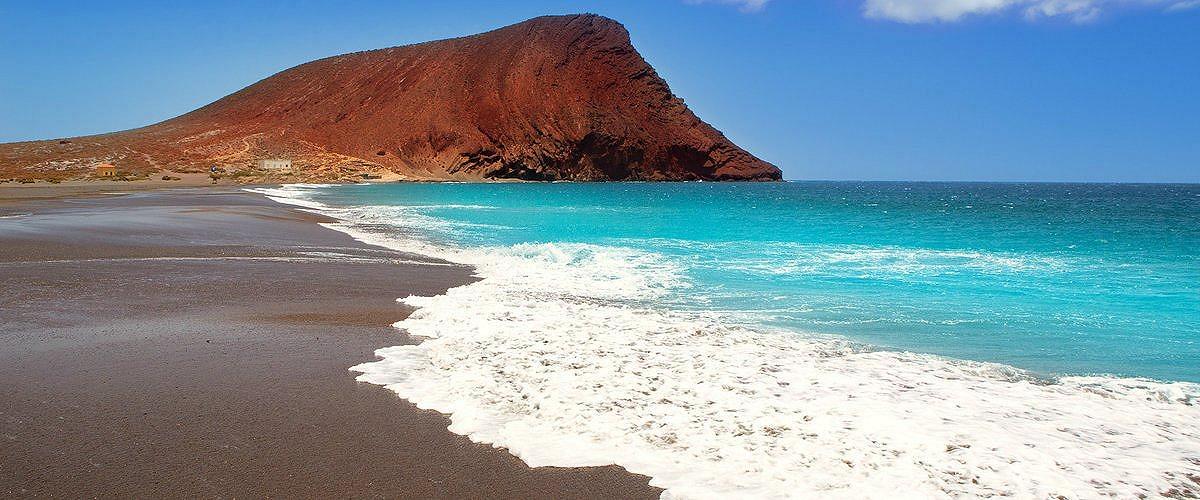
Lanzarote is an island with a unique volcanic landscape, white architecture, beaches and a calmer atmosphere. Buyers often consider Playa Blanca, Costa Teguise, Puerto del Carmen, Arrecife and areas with villas or apartments by the sea.
Fuerteventura
Fuerteventura is known for beaches, wind, surfing, a calm atmosphere and a more accessible market compared with the most expensive areas of Tenerife and Gran Canaria. Key areas include Corralejo, Caleta de Fuste, Costa Calma, Morro Jable and Puerto del Rosario.
La Palma
La Palma is a green, natural and calmer island. It suits buyers who are looking not for a mass-market resort, but for nature, silence, a house, a finca and a more local lifestyle. The market is smaller and less liquid than Tenerife or Gran Canaria.
La Gomera
La Gomera is a small island for calm living, nature, hiking routes and privacy. The property market is limited, and buying is better suited to personal use than to an active investment strategy.
El Hierro
El Hierro is the calmest and most remote of the main islands. It suits buyers looking for silence, nature, autonomy and a very peaceful lifestyle. Liquidity is lower than on the larger islands.
La Graciosa
La Graciosa is a small island near Lanzarote. It is a very limited market with a special status, small supply and specific logistics. It is not suitable for mass-market purchases, but it may be interesting in rare individual scenarios.
Best islands and areas for buying property
Tenerife
Tenerife is the most versatile market in the Canary Islands. It suits year-round living, rentals, buying by the ocean, investment, relocation and purchases with different budgets.
For rentals and holidays, Costa Adeje, Playa del Duque, La Caleta, Los Cristianos, Playa de las Américas, Playa Paraíso, Los Gigantes, Golf del Sur and El Médano are especially interesting.
For year-round living, Santa Cruz de Tenerife, La Laguna, Costa Adeje, Los Cristianos, Puerto de la Cruz, El Médano and calm residential areas with healthcare, shops and transport work well.
The main advantages of Tenerife are two airports, a wide choice of properties, strong tourist demand, developed infrastructure and diversity of areas. The disadvantages are rising prices, pressure on tourist rentals, climate differences between the south and north, and the need to check short-term rental rules carefully.
Gran Canaria
Gran Canaria is one of the strongest markets in the archipelago for living and rentals. Las Palmas de Gran Canaria offers an urban market, while the south of the island provides resort and rental demand.
For living, Las Palmas de Gran Canaria, Tafira, Telde, Arucas and areas with urban infrastructure are interesting. For rentals and holidays, Maspalomas, Meloneras, San Agustín, Playa del Inglés, Puerto Rico, Arguineguín and Puerto de Mogán are strong options.
Gran Canaria suits buyers who need a balance between city, resort, climate, rentals and year-round infrastructure. In Las Palmas, important areas include Las Canteras, Santa Catalina, Triana, Vegueta, Alcaravaneras and urban districts with good liquidity.
The main advantages are a large city, strong rental demand, southern resorts, an airport and developed infrastructure. The disadvantages are high demand in the best areas, limited supply by the ocean and the need to distinguish between the urban and resort markets.
Lanzarote
Lanzarote suits buyers looking for a calmer island format, volcanic landscapes, white architecture, beaches and moderate development density.
For buying, Playa Blanca, Puerto del Carmen, Costa Teguise, Arrecife, Tías, Yaiza and areas with villas or apartments near the ocean are especially interesting.
Playa Blanca is often interesting for villas, holidays and rentals. Puerto del Carmen is strong for tourist demand and apartments. Costa Teguise suits families, holidays and a calmer atmosphere. Arrecife is better for urban living and a more rational budget.
The main advantages are the island’s unique aesthetics, tourist demand, tranquillity and more limited development. The disadvantages are a smaller market than Tenerife and Gran Canaria, dependence on tourism and the need to check rental rules.
Fuerteventura
Fuerteventura is an island of beaches, wind, surfing and calmer living. It is often more accessible than the best areas of Tenerife, Gran Canaria and the Balearic Islands.
For buying, Corralejo, Caleta de Fuste, Costa Calma, Morro Jable, El Cotillo, Puerto del Rosario and areas near beaches are interesting.
Corralejo suits rentals, holidays, a foreign community and an active lifestyle. Caleta de Fuste is convenient thanks to its proximity to the airport and family infrastructure. Costa Calma and Morro Jable are interesting for beach holidays and a calmer environment.
The main advantages are beaches, a more flexible budget, tranquillity and sports tourism. The disadvantages are wind, less urban infrastructure, a more limited market and the need to assess liquidity carefully.
La Palma
La Palma suits buyers looking for nature, greenery, silence, mountains, a house, a finca and a calmer life. It is not a mass rental market, but an island for personal use, relocation and buyers who value nature.
For buying, Santa Cruz de la Palma, Los Llanos de Aridane, Tazacorte, El Paso and calm rural areas can be considered.
The main advantages are nature, silence, lower density and authenticity. The disadvantages are lower liquidity, a limited rental market, island logistics and the need for deep due diligence on houses on land.
La Gomera and El Hierro
La Gomera and El Hierro suit very specific buyers: those looking for silence, nature, autonomy and the absence of a mass resort environment. These islands are not the main choice for investors, but they can be interesting for a personal lifestyle.
Here, it is especially important to understand liquidity, transport, healthcare infrastructure, access to airports or ferries, maintenance costs and resale potential.
Where to buy depending on your goal
For living by the ocean
It is better to consider Costa Adeje, Los Cristianos, La Caleta, Los Gigantes, Las Canteras, Maspalomas, Meloneras, Puerto de Mogán, Playa Blanca, Corralejo and Caleta de Fuste.
For rentals
Southern Tenerife, southern Gran Canaria, Playa Blanca, Puerto del Carmen, Costa Teguise, Corralejo, Caleta de Fuste and properties with a verified possibility of legal short-term rental are interesting.
For year-round living
Santa Cruz de Tenerife, La Laguna, Las Palmas de Gran Canaria, Costa Adeje, Los Cristianos, Puerto de la Cruz, Arrecife, Puerto del Rosario and areas with healthcare, shops and transport work well.
For buying with a limited budget
Northern Tenerife, inland areas of Gran Canaria, Arrecife, Puerto del Rosario, selected districts of Lanzarote and Fuerteventura, and less tourist-oriented municipalities can be considered.
For buying a villa
It is better to look at Costa Adeje, La Caleta, Adeje, Maspalomas, Meloneras, Puerto de Mogán, Playa Blanca, Yaiza, Corralejo, Caleta de Fuste and selected areas with views and plots.
For calm living
Northern Tenerife, Puerto de la Cruz, La Orotava, Lanzarote outside the main resorts, Fuerteventura outside the most tourist-heavy areas, La Palma, La Gomera and El Hierro are suitable.
For urban property
It is better to consider Las Palmas de Gran Canaria, Santa Cruz de Tenerife, La Laguna, Arrecife and Puerto del Rosario. These are more local and year-round markets, suitable for living, studying, healthcare and long-term rentals.
Property prices in the Canary Islands
The Canary Islands remain one of the most active property markets in Spain. The average benchmark across the archipelago is around €3,300 per square metre, but within the region prices depend strongly on the island and area.
In southern Tenerife, in Costa Adeje, Los Cristianos, Playa de las Américas, in southern Gran Canaria, in Maspalomas, Meloneras, Puerto Rico, Puerto de Mogán, and in selected areas of Lanzarote and Fuerteventura, prices can be significantly above the average level.
Accessible segment
This is usually linked to properties farther from the ocean, inland and northern areas, renovation apartments, older housing stock or locations without high tourist pressure.
Mid-range segment
This includes apartments and homes in residential complexes, properties in towns, northern and inland areas, and locations with good infrastructure but not on the first line of the ocean.
Premium segment
This includes apartments with views, penthouses, villas, modern complexes, properties in Costa Adeje, Playa del Duque, La Caleta, Maspalomas, Meloneras, Puerto de Mogán, Playa Blanca and the best ocean-side locations.
High-end segment
This includes villas with panoramic ocean views, large terraces, plots, modern houses in prestigious resort areas, rare frontline properties and quality villas in gated or low-density locations.
A good purchase in the Canary Islands is not simply a low price or an ocean view. It is important to consider the island, area, complex, legal status, rental possibility, community fees, building condition, airport access and resale strategy.
Rental market and investment potential
The Canary Islands are a strong rental market thanks to their year-round climate, tourism, foreign demand and international airports. Different scenarios work here: long-term rental, medium-term rental, seasonal rental, rental to remote workers and tourist rental if regulations are followed.
For long-term rental, Santa Cruz de Tenerife, La Laguna, Las Palmas de Gran Canaria, Arrecife, Puerto del Rosario and areas with year-round infrastructure are interesting.
For seasonal and short-term rental, southern and resort areas are stronger: Costa Adeje, Los Cristianos, Playa de las Américas, Maspalomas, Meloneras, Puerto Rico, Puerto de Mogán, Playa Blanca, Puerto del Carmen, Corralejo and Caleta de Fuste.
Tourist rental in the Canary Islands is becoming more strictly regulated. For short-term rentals, it is necessary to check the rules of the autonomous community, island, municipality, specific complex and community of owners. Not every property can be legally used for tourist rental.
Buying a property only with the expectation of short-term rental is risky without legal due diligence. Registration, restrictions, seasonality, competition, management costs, cleaning, taxes, furniture, vacancy periods and possible regulatory changes must all be considered.
For many foreign buyers, a more sustainable strategy is a combination of personal use, medium-term rental and long-term ownership in a liquid area.
Lifestyle in the Canary Islands
The Canary Islands offer one of the most comfortable climates in Spain for year-round living. Here buyers can live by the ocean, play sports, work remotely, spend the winter in the sun, travel between islands and use healthcare, restaurants, schools and infrastructure.
The archipelago suits different types of buyers. Tenerife is for versatility and rentals. Gran Canaria is for a balance between city and resort. Lanzarote is for calm aesthetics and volcanic landscapes. Fuerteventura is for beaches, surfing and a more relaxed rhythm. La Palma, La Gomera and El Hierro are for nature, silence and a more local lifestyle.
The main advantage of the Canary Islands is diversity. A buyer can choose an active tourist area, a large city, a calm resort, a green northern location, a villa with views or an apartment for year-round living.
Schools, healthcare and everyday infrastructure
The Canary Islands are suitable for family relocation and year-round living. On the larger islands, there are public, private and international schools, medical centres, hospitals, sports infrastructure, a university environment and services for foreign residents.
For families, Tenerife and Gran Canaria are usually the most interesting because healthcare, schools, transport, universities, private clinics and international infrastructure are better developed there. Lanzarote and Fuerteventura are also suitable for living, but require more careful assessment of schools, healthcare and logistics.
Healthcare infrastructure is especially strong in Santa Cruz de Tenerife, La Laguna, Las Palmas de Gran Canaria and larger towns. On the smaller islands, healthcare is available, but for complex cases it may be necessary to travel to Tenerife, Gran Canaria or mainland Spain.
For buyers with children, older buyers and families, it is especially important to assess not only the property, but also daily logistics: school, healthcare, shops, transport, airport and distance to work or the ocean.
Transport and connections
The Canary Islands have a developed system of airports and ferries. Tenerife and Gran Canaria have especially strong air connections, while Lanzarote and Fuerteventura are also well connected with Europe. Inter-island flights and ferry routes connect the islands.
For most buyers, a car is desirable in the Canary Islands, and for villas, inland areas, northern locations and hillside properties, it is almost necessary.
Transport has a direct impact on property value. A property with convenient access to the airport, beach, shops, schools, clinics and main roads will usually be more liquid than a property with a beautiful view but difficult logistics.
When buying, it is important to assess not only the distance on the map, but also real travel time, traffic, parking, access to the complex, terrain and convenience of everyday life.
Taxes, costs and legal due diligence
When buying property in the Canary Islands, it is important to calculate not only the property price, but also all additional costs.
For resale property in the Canary Islands, ITP, the property transfer tax, usually applies. For new-build properties, IGIC applies instead of IVA, and additional charges, including AJD, may also apply. Buyers should also consider notary fees, land registry fees, legal support, bank costs for a mortgage, valuation, IBI property tax, community fees, insurance and future maintenance costs.
Before buying, it is necessary to check the Nota Simple, the owner, encumbrances, mortgage charges, debts, community fees, tenants, energy certificate, building condition, legality of renovation works and the property’s compliance with urban planning requirements.
If the property is being bought for rental purposes, the possibility of long-term, medium-term or tourist rental must be checked separately. If a tourist housing registration is declared, it must be confirmed by documents and checked against the current rules of the Canary Islands, the municipality and the complex.
For houses, villas and properties on land, additional checks include the plot, cadastre, boundaries, building permits, swimming pool, extensions, terraces, garages, technical rooms, urban planning status, water supply, sewerage, access roads and possible irregularities.
A good property in the Canary Islands is not only the ocean and a terrace. It is the right location, clean documents, clear costs, legal use and a realistic ownership strategy.
Common mistakes foreign buyers make
The most common mistake is buying a property only by the view, price and promised yield. In the Canary Islands, it is important to understand the specific island, complex, area, rental rules, community fees and liquidity.
The second mistake is relying on short-term rental without checking the rules. In the Canary Islands, tourist-housing regulation has become stricter, and not every property can legally be rented to tourists.
The third mistake is not considering the difference between islands. Tenerife, Gran Canaria, Lanzarote and Fuerteventura offer different markets, different tenants and different liquidity.
The fourth mistake is not calculating costs. Community fees, repairs, furniture, management, taxes, insurance, IBI, vacancy periods and complex maintenance can noticeably change real profitability.
The fifth mistake is buying in an older complex without a technical inspection. It is important to assess the lift, façade, roof, swimming pool, communal areas, utilities and future repairs.
The sixth mistake is choosing the cheapest property without understanding the reason for the price. A low price may be linked to a weak location, poor liquidity, legal risks, difficult logistics or a rental ban.
Canary Islands or alternatives
Canary Islands or Balearic Islands
The Balearic Islands are more expensive, more prestigious in the high-end segment and stronger as a Mediterranean market. The Canary Islands are more accessible, warmer in winter and more interesting for a year-round climate.
Canary Islands or Costa Blanca
The Costa Blanca is on the mainland and simpler for car logistics. The Canary Islands win with their year-round climate, especially in winter, but require island logistics to be taken into account.
Canary Islands or Costa del Sol
The Costa del Sol is stronger in the premium mainland segment, golf, villas and international schools. The Canary Islands are often more accessible and attractive for a mild year-round climate.
Canary Islands or Mallorca
Mallorca is more expensive, more prestigious in the high-end segment and more supply-constrained as an island market. The Canary Islands offer more budget options and are stronger for winter living.
Canary Islands or Madeira
Madeira is calmer and has a smaller property market. The Canary Islands offer a more developed tourist market, wider property choice and a direct connection with Spain.
Canary Islands or Portugal
Portugal may be interesting for tax, visa or Atlantic scenarios, but the Canary Islands offer Spanish jurisdiction, a warm year-round climate and developed tourist infrastructure.
FAQ
Can foreigners buy property in the Canary Islands?
Yes, foreigners can freely buy property in Spain. A transaction usually requires an NIE, a bank account, proof of funds and legal due diligence on the property.
Which islands are best for buying property?
For a versatile purchase, buyers most often consider Tenerife and Gran Canaria. For a calmer holiday format, Lanzarote and Fuerteventura are interesting. For nature and privacy, La Palma, La Gomera and El Hierro are suitable.
Where is the best place to buy for rental income?
Southern Tenerife, southern Gran Canaria, Playa Blanca, Puerto del Carmen, Costa Teguise, Corralejo, Caleta de Fuste and properties with a verified possibility of legal short-term rental are interesting for rentals.
Where is the best place to buy for year-round living?
For year-round living, Santa Cruz de Tenerife, La Laguna, Las Palmas de Gran Canaria, Costa Adeje, Los Cristianos, Puerto de la Cruz, Arrecife and Puerto del Rosario are good options.
How much does property in the Canary Islands cost?
The average benchmark across the archipelago is around €3,300 per square metre, but in Costa Adeje, Maspalomas, Meloneras, Puerto de Mogán, Playa Blanca, Corralejo and ocean-side properties, prices can be significantly higher.
Can property in the Canary Islands be rented to tourists?
Yes, but only if the rules of the Canary Islands, the municipality and the community of owners are followed. Before buying, it is necessary to check whether the specific property can legally be rented on a short-term basis.
Which areas are the most prestigious?
Prestigious areas include Costa Adeje, Playa del Duque, La Caleta, Maspalomas, Meloneras, Puerto de Mogán, Playa Blanca, Corralejo and quality ocean-side complexes.
Which is better: Tenerife or Gran Canaria?
Tenerife is larger, more diverse by area and has a strong southern resort market and two airports. Gran Canaria is strong as a combination of the large city of Las Palmas de Gran Canaria and southern resorts.
What taxes apply when buying property in the Canary Islands?
For resale property in the Canary Islands, ITP usually applies. For new-build properties, IGIC applies and additional charges may also apply. Buyers should also consider notary fees, land registry fees, legal support, bank costs, valuation and property maintenance costs.
Can foreigners get a mortgage in Spain?
Yes, Spanish banks provide mortgages to foreigners. Conditions depend on residence status, income, country of tax residence, income currency, buyer age and property type.
How long does a transaction take?
A transaction usually takes from several weeks to several months. For houses, villas and properties with rental registration, the timeline may be longer due to legal, technical and urban planning checks.
Get a personalised selection of properties in the Canary Islands
We will compare islands, areas and municipalities, calculate the full purchase budget, check legal risks and select properties for your goal: living by the ocean, investment, rental, family relocation, buying a house, holiday use, a premium asset or capital preservation.