Provinces, coastlines, cities, prices, rentals, taxes and the best areas to buy property in Andalusia
Key facts about Andalusia for property buyers
Andalusia is one of the most important regions in Spain for foreign property buyers. It is the south of the country, where the Mediterranean Sea meets the Atlantic Ocean, and where buyers find the Costa del Sol, the Costa de la Luz, Seville, Malaga, Granada, Cordoba, Cádiz, Marbella, Estepona, Benahavís, Nerja, Tarifa, Jerez de la Frontera and dozens of other locations with different lifestyles and budgets.
For foreign buyers, Andalusia is interesting in several scenarios: buying an apartment by the sea, investing in rental property, relocating with family, buying a villa, purchasing property for a future move, retiring in Spain, buying a home in a historic city, golf property, a rural finca or preserving capital in a liquid southern location in Spain.
Andalusia is not one property market. It has eight provinces, several coastlines, large cities, mountain villages, rural areas, high-end urbanisations, tourist zones and markets with very different prices. Malaga, Marbella and Benahavís can be several times more expensive than inland areas of Jaén, Cordoba or Almería. That is why buyers should not choose “Andalusia in general”, but a specific province, city, district and strategy.
Why foreigners buy property in Andalusia
Andalusia attracts foreign buyers with its combination of climate, sea, culture, infrastructure and diversity. Within one region, buyers can choose international Marbella, dynamic Malaga, historic Seville, atmospheric Granada, Atlantic Cádiz, wine-focused Jerez, calm Huelva, accessible Almería or a rural home among olive groves.
The main reasons for buying are the mild climate, the Mediterranean Sea, the Atlantic Ocean, developed tourist infrastructure, international airports, golf, yacht marinas, historic cities, gastronomy, rental demand, international schools, private clinics and a wide price range.
For many buyers, Andalusia becomes an alternative to the Valencian Community, the Balearic Islands, Portugal, the south of France or the Canary Islands. Here it is possible to choose both a prestigious high-end property and a more rational purchase in a city or on the coast.
Andalusia is especially interesting for buyers who want not only holidays by the sea, but also a lifestyle: restaurants, culture, history, sport, golf, nature, beaches, mountains, schools, healthcare and connections with major European cities.
Who buys property in Andalusia
Foreign demand in Andalusia is very diverse. Buyers include residents, non-residents, families, investors, retirees, remote professionals, business owners, golf lovers, villa buyers and clients who value the sea, climate and southern lifestyle.
Foreign residents
They buy homes for permanent living, family relocation, remote work or retirement. Healthcare, schools, transport, safety, district, parking, shops and the possibility of living all year round are important to them.
Foreign non-residents
They usually buy homes for holidays, rental properties, real estate for a future move or assets for capital preservation. Airport access, property management, maintenance costs, rental rules and liquidity are especially important.
Families with children
They often consider Malaga, Marbella, Estepona, Benahavís, Sotogrande, Seville, Granada, Cádiz, Jerez de la Frontera and areas close to international schools, healthcare and year-round infrastructure.
Investors
They look at rentals in Malaga, Seville, Granada, Cádiz, Marbella, Estepona, Nerja, Tarifa, golf areas and cities with tourist or student demand. Licences, tourist-rental restrictions, yield, costs, seasonality and resale strategy are important.
Villa buyers
They often choose Marbella, Benahavís, Estepona, Sotogrande, Mijas, Nerja, Almería, the Costa de la Luz, rural areas of Granada, Cordoba, Seville and inland zones with larger plots.
Buyers with a limited budget
They often consider Almería, Huelva, Jaén, inland Cordoba, inland Granada, smaller towns in Seville province, the eastern Costa del Sol and selected areas outside the most expensive coastal zones.
Andalusia geography in simple terms
Andalusia is best understood not as one market, but as a system of provinces and coastlines. Each market offers a different budget, rental profile, liquidity and lifestyle.
Costa del Sol
The Costa del Sol is the most international and expensive market in Andalusia. It includes Malaga, Marbella, Estepona, Benahavís, Fuengirola, Benalmádena, Torremolinos, Mijas, Nerja and other areas. This is a market for the sea, golf, rentals, villas, international schools and higher-budget buyers.
Costa de la Luz
The Costa de la Luz is the Atlantic coastline of Cádiz and Huelva provinces. It includes Tarifa, Zahara de los Atunes, Conil de la Frontera, Chiclana de la Frontera, El Puerto de Santa María, Cádiz, Huelva, Isla Canela, Isla Cristina and other areas. This is a more natural, windy, Atlantic and less dense market.
Seville and inland Andalusia
Seville is the regional capital and one of the most important urban markets in southern Spain. Inland Andalusia offers historic cities, rural homes, olive groves, more accessible prices and a calm lifestyle.
Granada and Sierra Nevada
Granada combines a historic city, a university, the Alhambra, mountains, the Sierra Nevada ski resort and proximity to the Costa Tropical. It is one of the most diverse markets in the region.
Cordoba and Jaén
Cordoba and Jaén are calmer and more accessible markets connected with history, inland Andalusia, rural property, olive groves and city apartments with a moderate budget.
Almería
Almería is the eastern part of Andalusia, with a more accessible coastline, the Cabo de Gata natural park, Mojácar, Roquetas de Mar, Vera, Agua Amarga and calm coastal areas.
Huelva
Huelva is western Andalusia, on the Atlantic Ocean and near the Portuguese border. It offers beaches, more accessible prices, Isla Canela, Ayamonte, Isla Cristina, Punta Umbría, Mazagón and a calmer resort environment.
Best provinces and areas in Andalusia for buying property
Malaga
Malaga province is the most expensive, international and liquid market in Andalusia. It includes Malaga city, Marbella, Estepona, Benahavís, Mijas, Fuengirola, Benalmádena, Torremolinos, Nerja, Rincón de la Victoria and other areas.
Malaga suits living, rentals, buying by the sea, family relocation, golf, villas, new-build projects and investment. Malaga city is strong in year-round rentals, university demand, the airport, culture and urban demand. Marbella and Benahavís are high-end markets. Estepona is a modern alternative to Marbella. Fuengirola and Benalmádena are practical areas for living and rentals.
The main advantages are international demand, airport access, rentals, the sea, golf, schools, healthcare and liquidity. The disadvantages are high prices, competition for quality properties and stricter tourist-rental rules in selected municipalities.
Marbella
Marbella is the main premium market in Andalusia. Buyers purchase seaside apartments, villas, penthouses, homes in gated urbanisations and properties in areas such as the Golden Mile, Puerto Banús, Nueva Andalucía, Sierra Blanca, Los Monteros, Elviria, San Pedro de Alcántara and Guadalmina.
Marbella suits buyers who value status, an international environment, golf, rentals, restaurants, schools and a high level of service. It is one of Spain’s most liquid markets in the upper segment.
Benahavís
Benahavís is a market of villas, golf, views and gated urbanisations near Marbella. It includes La Zagaleta, El Madroñal, Los Flamingos, La Quinta, Los Arqueros and other areas.
Benahavís suits buyers looking for privacy, a house, a plot, views, security and a calm environment near Marbella. It is one of the key high-end property markets in Andalusia.
Estepona
Estepona is one of the most dynamic markets on the Costa del Sol. It has many new complexes, a modern promenade, a calmer rhythm and strong demand from foreign buyers.
Estepona suits living, rentals, buying new-build property, family relocation and buyers who want to be near Marbella, but in a calmer and more modern environment. Estepona centre, the port, the New Golden Mile, Atalaya, El Paraíso, Selwo and areas near the sea are especially interesting.
Seville
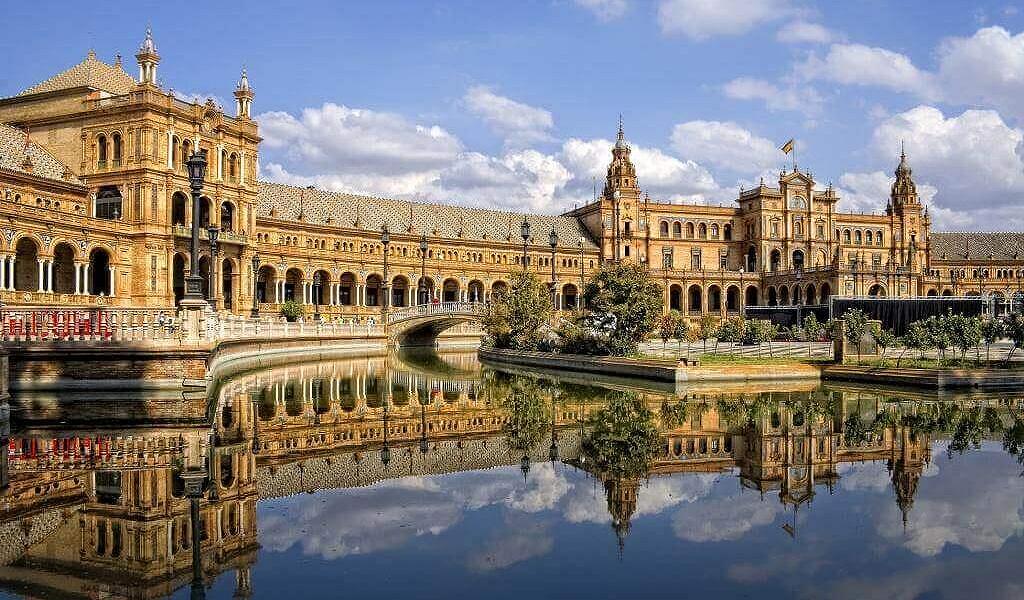
Seville is the capital of Andalusia and one of the most beautiful cities in Spain. It is a strong urban market for living, rentals, students, culture, tourism and long-term ownership.
For buying, the historic centre, Santa Cruz, Arenal, Triana, Los Remedios, Nervión, Alameda, Macarena and areas with good access to the centre are interesting. Seville suits buyers who value the city, culture, rentals, universities, an administrative environment and a more traditional Andalusia.
The main advantages are its status as regional capital, culture, rentals, liquidity in the centre and strong local demand. The disadvantages are hot summers, tourist-rental restrictions in central areas and high prices in the best districts.
Granada
Granada is one of the most attractive cities in Andalusia for buying property with a cultural and university profile. It has the Alhambra, a historic centre, the Albaicín and Realejo districts, a university, tourism, student demand and proximity to Sierra Nevada.
Granada suits living, student rentals, buying in a historic city, cultural property and homes with views. Buyers also consider Sierra Nevada for seasonal mountain property and the Costa Tropical for living by the sea.
The advantages are culture, university demand, tourism, mountains and more accessible prices compared with Malaga. The disadvantages are older housing stock, complex renovations in historic districts and the need to check restrictions in protected areas.
Cádiz
Cádiz province is one of the most interesting markets in Atlantic Andalusia. It includes Cádiz city, Tarifa, Zahara de los Atunes, Conil de la Frontera, Chiclana de la Frontera, El Puerto de Santa María, Sanlúcar de Barrameda, Jerez de la Frontera and Sotogrande.
Cádiz suits buyers who value the Atlantic Ocean, beaches, surfing, wind, historic cities, gastronomy, a more natural environment and an alternative to the Costa del Sol. Tarifa and Zahara de los Atunes are prestigious and seasonal markets. Jerez offers a city and wine-country environment with a more accessible budget. Sotogrande is a gated high-end market for villas, golf, polo and marina property.
Sotogrande
Sotogrande is in Cádiz province, but it is often considered together with the Costa del Sol. It is one of the most prestigious markets in southern Spain for villas, houses, marina apartments, golf properties and high-level real estate.
Sotogrande suits buyers who value privacy, safety, golf, polo, the marina, international schools and a family environment. It is a calmer and more gated alternative to Marbella.
Cordoba
Cordoba is a historic city and a more accessible urban market in Andalusia. Buyers purchase city-centre apartments, houses with patios, properties in historic districts, homes for living and long-term rental properties.
Cordoba suits buyers who value culture, history, more moderate prices, a calm rhythm and urban infrastructure. It is not a beach market, but a city for living, rentals and long-term ownership.
Almería
Almería is one of the most accessible coastal markets in Andalusia. It includes Almería city, Roquetas de Mar, Aguadulce, Mojácar, Vera, Garrucha, Cabo de Gata and natural areas with unique landscapes.
Almería suits buyers who want the sea, climate, a calmer rhythm and a more moderate budget. Mojácar, Vera, Aguadulce, Roquetas de Mar and areas near Cabo de Gata are especially interesting.
The main advantages are price, climate, sea, tranquillity and natural surroundings. The disadvantages are lower international liquidity compared with Malaga and a more limited market in certain areas.
Huelva
Huelva is the western province of Andalusia, on the Atlantic Ocean and near the Portuguese border. It includes Isla Canela, Ayamonte, Isla Cristina, Punta Umbría, Mazagón, Matalascañas and calmer resort areas.
Huelva suits buyers who value the Atlantic Ocean, an accessible budget, nature, beaches, proximity to Portugal and a less dense tourist environment. The market is less international than Malaga, but it can be interesting for calm living and buying by the sea.
Jaén
Jaén is the most inland and one of the most accessible markets in Andalusia. It is a region of olive groves, historic towns, castles, rural property and a calm lifestyle.
Jaén suits buyers looking for inexpensive property, a rural home, a finca, calm living or a property for personal use. For investment and rentals, foreign buyers should assess liquidity especially carefully.
Where to buy depending on your goal
For living by the sea
It is better to consider Malaga, Marbella, Estepona, Fuengirola, Benalmádena, Nerja, Cádiz, Tarifa, Conil de la Frontera, Zahara de los Atunes, Almería, Mojácar, Huelva, Isla Canela and Ayamonte.
For rentals
Malaga, Seville, Granada, Cádiz, Marbella, Estepona, Nerja, Tarifa, Cordoba, Jerez de la Frontera and resort areas with a verified possibility of legal rental are interesting.
For year-round living
Malaga, Seville, Granada, Cordoba, Cádiz, Jerez de la Frontera, Marbella, Estepona, Fuengirola, Benalmádena, Almería and larger cities with healthcare, schools and transport work well.
For buying a villa
It is better to look at Marbella, Benahavís, Estepona, Sotogrande, Mijas, Nerja, Almería, the Costa de la Luz and rural areas of Seville, Cordoba, Granada and Jaén.
For buying high-end property
The most interesting areas are Marbella, Benahavís, Sotogrande, Estepona, the Golden Mile, Puerto Banús, Nueva Andalucía, Sierra Blanca, La Zagaleta, Los Monteros and the best areas of the Costa del Sol.
For buying with a limited budget
Almería, Huelva, Jaén, Cordoba, inland Granada, selected areas of Seville, the eastern Costa del Sol and small towns outside the most expensive tourist zones can be considered.
For urban property
It is better to consider Seville, Malaga, Granada, Cordoba, Cádiz, Jerez de la Frontera and Almería. These are markets with year-round life, rentals, healthcare, universities and urban demand.
For golf
Marbella, Benahavís, Estepona, Sotogrande, Mijas, Nueva Andalucía, La Quinta, Los Flamingos, La Zagaleta, Valderrama and other golf areas of the Costa del Sol and Cádiz are interesting.
Property prices in Andalusia
Andalusia is a region with a very wide price range. Within one autonomous community, buyers can find both some of the most expensive markets in Spain and accessible inland areas.
The highest prices are usually linked to Malaga province: Malaga city, Marbella, Benahavís, Estepona, Fuengirola, Benalmádena, Mijas and the best areas of the Costa del Sol. Next come selected areas of Cádiz, Seville, Granada and Cordoba. More accessible options are usually found in Almería, Huelva, Jaén and inland areas.
Accessible segment
This is usually linked to properties farther from the sea, inland towns, older houses, renovation apartments, rural property and less international markets.
Mid-range segment
This includes apartments and houses in cities, apartments in coastal areas, properties in Granada, Cordoba, Seville, Almería, Huelva, the eastern Costa del Sol and less expensive coastal zones.
Premium segment
This includes seaside apartments, penthouses, townhouses, villas, new-build properties, real estate in Malaga, Marbella, Estepona, Sotogrande, Tarifa, Cádiz, Seville and the best urban districts.
High-end segment
This includes villas with sea views, large plots, gated urbanisations, frontline properties, the Golden Mile, Puerto Banús, Sierra Blanca, La Zagaleta, Benahavís, Sotogrande and the best projects on the Costa del Sol.
A good purchase in Andalusia is not simply a low price or a famous city. It is important to consider the province, district, legal status, building condition, rental possibility, community fees, transport, infrastructure and future liquidity.
Rental market and investment potential
Andalusia is a strong rental market, but the investment strategy depends on the exact location. Malaga, Seville, Granada, Cádiz, Marbella, Estepona, Nerja, Tarifa and Sotogrande offer completely different scenarios.
For long-term rental, Seville, Malaga, Granada, Cordoba, Cádiz, Jerez de la Frontera, Almería and larger cities with universities, healthcare, business activity and year-round life are interesting.
For medium-term rental, Malaga, Seville, Granada, Marbella, Estepona, Cádiz and areas with demand from foreign professionals, students, temporary residents and families are interesting.
For seasonal rental, the coastlines are stronger: the Costa del Sol, the Costa de la Luz, Nerja, Tarifa, Cádiz, Zahara de los Atunes, Conil de la Frontera, Marbella, Estepona, Almería and Huelva.
Tourist rental in Andalusia is regulated. To operate as tourist-use housing, an owner must submit the relevant responsible declaration and comply with legal requirements. The rules of the municipality, specific building or urbanisation and community of owners must also be considered.
Buying a property only with the expectation of short-term rental is risky without checks. In some cities and areas, rules have become stricter, and new registrations may be restricted. It is necessary to check rental feasibility, registration, property requirements, building restrictions, seasonality, management costs, cleaning, taxes and vacancy periods in advance.
For many foreign buyers, a more sustainable strategy is a combination of personal use, medium-term rental and long-term ownership in a liquid area.
Lifestyle in Andalusia
Andalusia offers one of the most diverse lifestyles in Spain. Here buyers can live by the sea, in a historic city, in a white village, in a golf urbanisation, in a rural home, near the mountains or in the international environment of the Costa del Sol.
The region suits different buyers. Malaga is for urban life and the sea. Marbella is for a premium lifestyle. Benahavís is for villas and privacy. Sotogrande is for a gated family environment. Seville is for culture and city life. Granada is for history, university life and mountains. Cádiz is for the Atlantic Ocean and beaches. Almería and Huelva are for a calmer and more accessible coastline. Jaén and Cordoba are for inland Andalusia and more traditional living.
The main advantage of Andalusia is choice. A buyer can select not just a property, but a lifestyle: city, sea, golf, culture, nature, privacy, rentals, family living or calm life.
Schools, healthcare and everyday infrastructure
Andalusia is suitable for family relocation and year-round living, especially when buyers choose large cities and international areas. The region has public, private and international schools, universities, hospitals, private clinics, sports infrastructure and services for foreign residents.
For families, Malaga, Marbella, Estepona, Benahavís, Sotogrande, Seville, Granada, Cádiz and cities with strong healthcare, schools and transport are often interesting.
Healthcare infrastructure is especially developed in Malaga, Seville, Granada, Cordoba, Cádiz and the region’s larger cities. Marbella and the Costa del Sol also have private clinics and medical services for foreign patients.
For buyers with children, older buyers and families, it is especially important to assess not only the property, but also daily logistics: school, healthcare, shops, transport, airport, sport and distance to the sea.
Transport and connections
Andalusia is well connected with the rest of Spain and Europe. The region’s key airports are Malaga, Seville, Granada-Jaén, Almería and Jerez. Malaga Airport is the main gateway for the Costa del Sol, Seville Airport for Seville, and Jerez and Seville airports for Cádiz and the Costa de la Luz.
The region has high-speed trains, railway routes, motorways and connections with Madrid, Barcelona, Valencia, Portugal and other regions of Spain.
Transport has a direct impact on property value. A property with convenient access to the airport, beach, schools, clinics, city centre, golf or main roads will usually be more liquid than a property with beautiful views but complicated logistics.
When buying a villa, rural home or mountain property, it is important to assess not only the distance on the map, but also real travel time, road quality, parking, traffic, seasonality and access to everyday services.
Taxes, costs and legal due diligence
When buying property in Andalusia, it is important to calculate not only the property price, but also all additional costs.
For resale property in Andalusia, ITP, the property transfer tax, usually applies. For new-build properties, IVA and AJD usually apply. Buyers should also consider notary fees, land registry fees, legal support, bank costs for a mortgage, valuation, IBI property tax, community fees, insurance and future maintenance costs.
Before buying, it is necessary to check the Nota Simple, the owner, encumbrances, mortgage charges, debts, community fees, tenants, energy certificate, building condition, legality of renovation works and the property’s compliance with urban planning requirements.
If the property is being bought for rental purposes, the possibility of long-term, medium-term or tourist rental must be checked separately. If tourist registration is declared, it must be confirmed by documents and checked against the current rules of Andalusia, the municipality and the building.
For houses, villas, fincas and properties on land, additional checks include the plot, cadastre, boundaries, building permits, swimming pool, extensions, terraces, garages, technical rooms, urban planning status, water supply, sewerage, access roads and possible irregularities.
A good property in Andalusia is not only the sea, a terrace or a famous district. It is the right location, clean documents, clear costs, legal use and a realistic ownership strategy.
Common mistakes foreign buyers make
The most common mistake is choosing Andalusia only by beautiful photos of the sea, white villages or villas. It is important to understand the specific market: Marbella, Malaga, Seville, Granada, Cádiz, Almería and Huelva all work differently.
The second mistake is relying on short-term rental without checking the rules. Tourist housing requires registration, and in some cities and areas the rules have become stricter.
The third mistake is not considering the difference between the coast and inland areas. A property in the mountains or a village may be beautiful, but it can have limited liquidity, difficult access and a narrower buyer pool.
The fourth mistake is not calculating costs. Community fees, renovation, furniture, management, taxes, insurance, IBI, vacancy periods and villa maintenance can significantly change real profitability.
The fifth mistake is buying older housing stock without a technical check. In historic cities and older buildings, it is important to assess the façade, roof, humidity, lift, utilities, renovation permits and protected status.
The sixth mistake is comparing all of Andalusia with the Costa del Sol. The Costa del Sol is only one part of the region, and it is the most international and expensive one. Within Andalusia there are markets with completely different logic.
Andalusia or alternatives
Andalusia or the Valencian Community
The Valencian Community is often more accessible and practical for mainstream coastal buyers. Andalusia is more diverse, stronger in the premium Costa del Sol segment and richer in cultural cities.
Andalusia or Costa Blanca
The Costa Blanca is more accessible and broader in budget. Andalusia is stronger in the premium segment, especially in Marbella, Benahavís and Sotogrande, and also offers Seville, Granada, Cádiz and Cordoba.
Andalusia or Costa del Sol
The Costa del Sol is part of Andalusia. If a buyer needs an international seaside market, golf, rentals and premium property, the Costa del Sol is the best focus. If a broader choice is needed, it is worth considering the whole of Andalusia.
Andalusia or the Balearic Islands
The Balearic Islands are more expensive, more supply-constrained and stronger as a premium island market. Andalusia offers more choice, easier car logistics and a wider price range.
Andalusia or the Canary Islands
The Canary Islands win in year-round climate, especially in winter. Andalusia wins in mainland logistics, cities, culture, golf and coastline diversity.
Andalusia or Portugal
Portugal may be interesting for tax, visa or Atlantic scenarios. Andalusia offers Spanish jurisdiction, the Mediterranean Sea, the Atlantic Ocean, major cities, developed infrastructure and a wide choice of property.
FAQ
Can foreigners buy property in Andalusia?
Yes, foreigners can freely buy property in Spain. A transaction usually requires an NIE, a bank account, proof of funds and legal due diligence on the property.
Where is the best place to buy property in Andalusia for living?
For year-round living, Malaga, Seville, Granada, Cordoba, Cádiz, Marbella, Estepona, Fuengirola, Benalmádena, Jerez de la Frontera and Almería are good options.
Where is the best place to buy property by the sea?
The best seaside areas include the Costa del Sol, Marbella, Estepona, Malaga, Nerja, Cádiz, Tarifa, Conil de la Frontera, Zahara de los Atunes, Almería, Mojácar, Huelva and Isla Canela.
Where is the best place to buy for rental income?
Malaga, Seville, Granada, Cádiz, Marbella, Estepona, Nerja, Tarifa, Cordoba, Jerez de la Frontera and resort areas with a verified possibility of legal rental are interesting.
How much does property in Andalusia cost?
The price depends on the province and area. The most expensive markets are Malaga, Marbella, Benahavís, Estepona and Sotogrande. More accessible options are usually found in Almería, Huelva, Jaén, Cordoba and inland areas.
Can property in Andalusia be rented to tourists?
Yes, but only if Andalusian rules, tourist-use housing registration, municipal requirements and community-of-owners rules are followed. Before buying, it is necessary to check whether the specific property can legally be rented to tourists.
Which areas are the most prestigious?
Prestigious areas include Marbella, the Golden Mile, Puerto Banús, Nueva Andalucía, Sierra Blanca, Benahavís, La Zagaleta, Estepona, Sotogrande and the best properties on the Costa del Sol.
Which is better: Andalusia or the Costa del Sol?
The Costa del Sol is part of Andalusia and is the best choice for an international seaside market, golf, rentals and premium property. Andalusia is broader: it includes Seville, Granada, Cádiz, Cordoba, Almería, Huelva and inland areas.
What taxes apply when buying property in Andalusia?
For resale property in Andalusia, ITP usually applies. For new-build properties, IVA and AJD usually apply. Buyers should also consider notary fees, land registry fees, legal support, bank costs, valuation and property maintenance costs.
Can foreigners get a mortgage in Spain?
Yes, Spanish banks provide mortgages to foreigners. Conditions depend on residence status, income, country of tax residence, income currency, buyer age and property type.
How long does a transaction take?
A transaction usually takes from several weeks to several months. For houses, villas, fincas and properties with rental registration, the timeline may be longer due to legal, technical and urban planning checks.
Get a personalised selection of properties in Andalusia
We will compare provinces, cities, coastlines and districts, calculate the full purchase budget, check legal risks and select properties for your goal: living by the sea, investment, rental, family relocation, buying a house, holiday use, golf property, a premium asset or capital preservation.